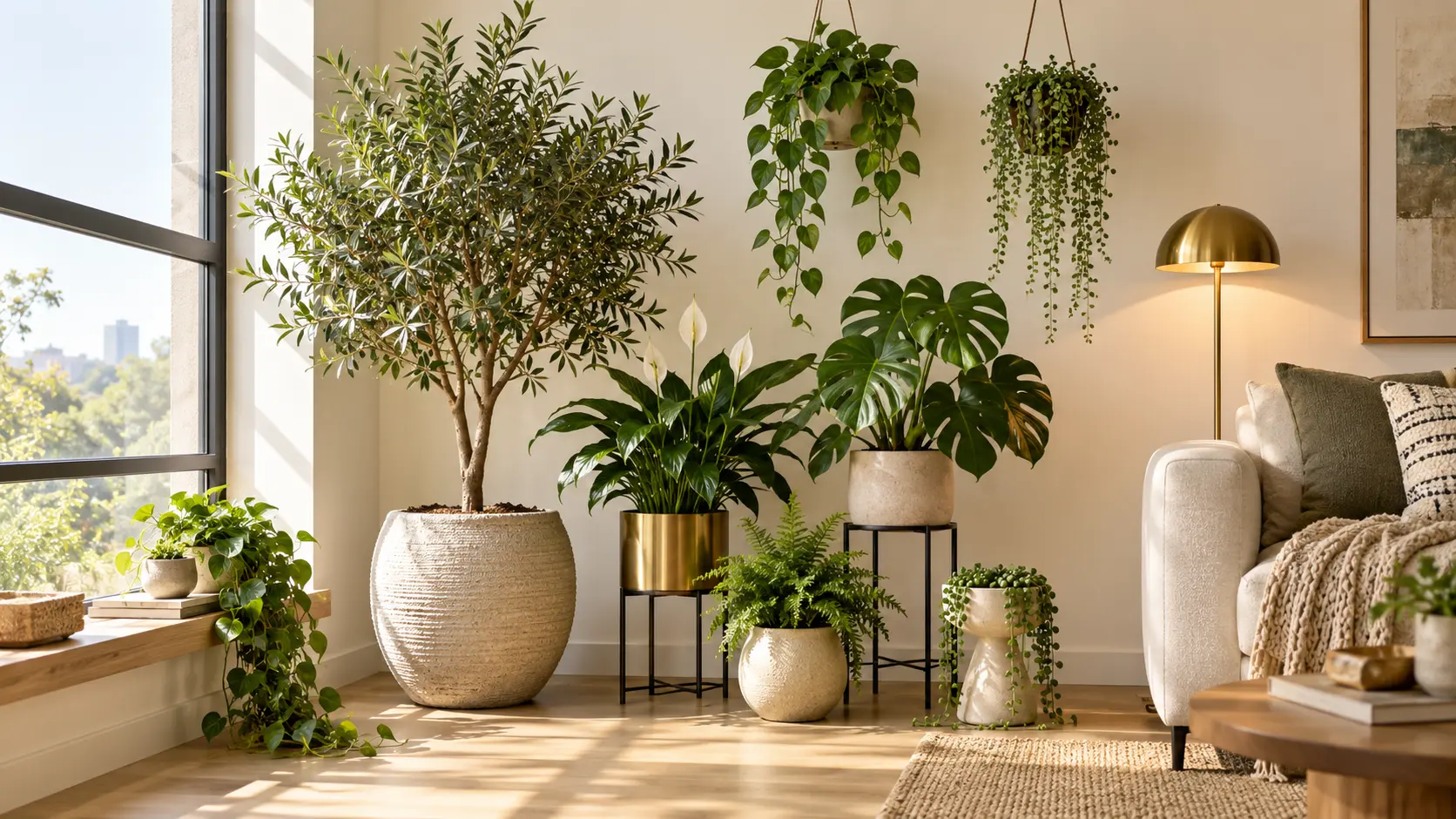
An empty corner can make even a beautifully decorated room feel unfinished. Adding plants is one of the easiest ways to fill that space while bringing color, texture, and natural warmth into your home.
Whether you have a spacious living room, a narrow hallway, or a small apartment, these plant corner ideas can help you create a fresh and inviting display. From elegant indoor trees to hanging planters and space-saving shelves, each idea can be adjusted to suit your décor, available light, and plant-care routine.
1. Style a Bonsai Corner
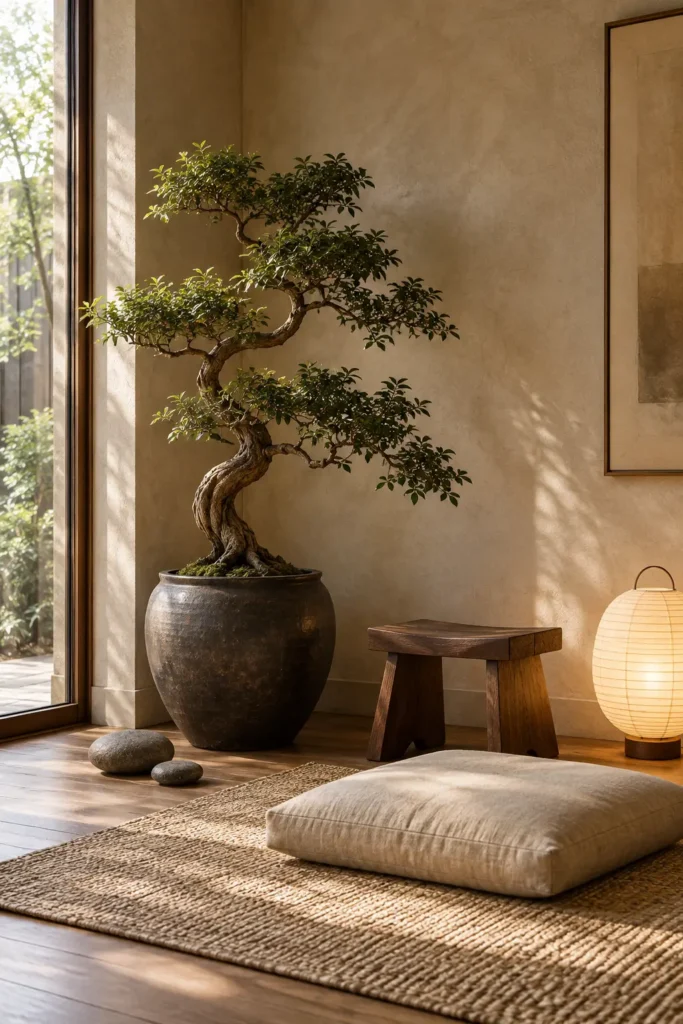
A bonsai tree can transform a quiet corner into a peaceful, thoughtfully designed space. Its sculptural branches naturally attract attention, so you do not need many decorative accessories around it.
Place the bonsai in a large rustic pot and position it close to a window where it can receive suitable natural light. A woven floor mat, neutral cushion, small wooden stool, and a few smooth stones can enhance the calming atmosphere without making the area look crowded.
Warm floor lighting will highlight the shape of the branches in the evening. This plant corner idea works especially well in minimalist, Japanese-inspired, organic modern, and earthy interiors.
2. Use a Tall Plant Stand
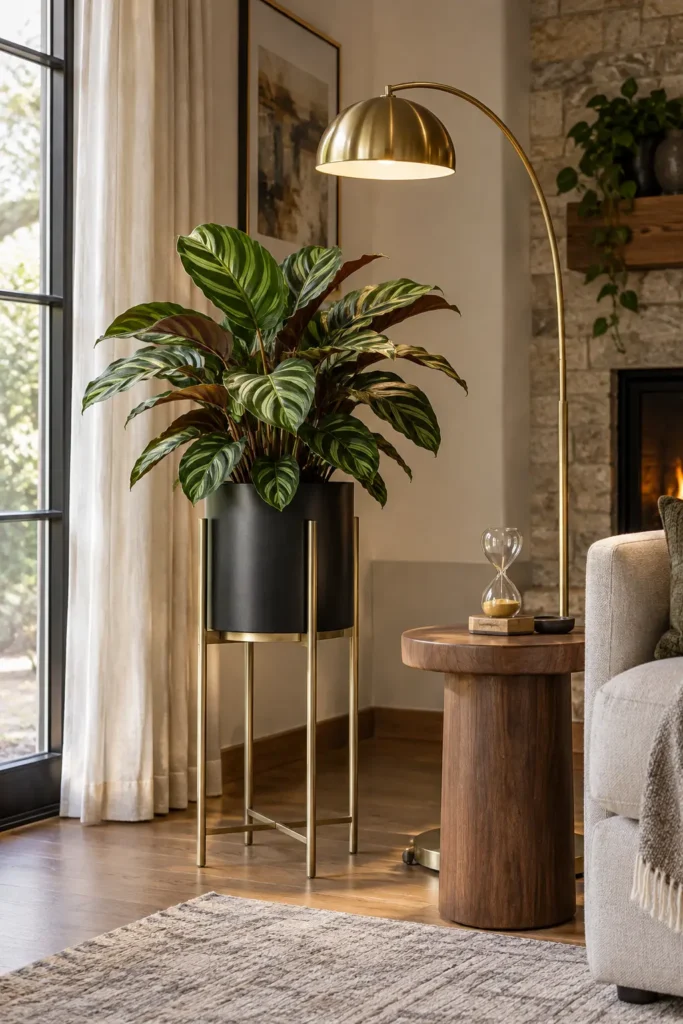
A tall metal plant stand gives an ordinary houseplant more height and visual importance. It is an excellent choice when the plant itself is not tall enough to fill the available wall space.
Choose a slim stand with an elevated planter to keep the arrangement clean and open. A black planter combined with a gold or brass frame can add a subtle luxurious touch while still allowing the foliage to remain the main feature.
Position the stand near a window, reading chair, or side table. It adds greenery without occupying too much floor space, making it one of the most practical plant corner ideas for small living rooms and apartments.
3. Pair Plants of Different Heights
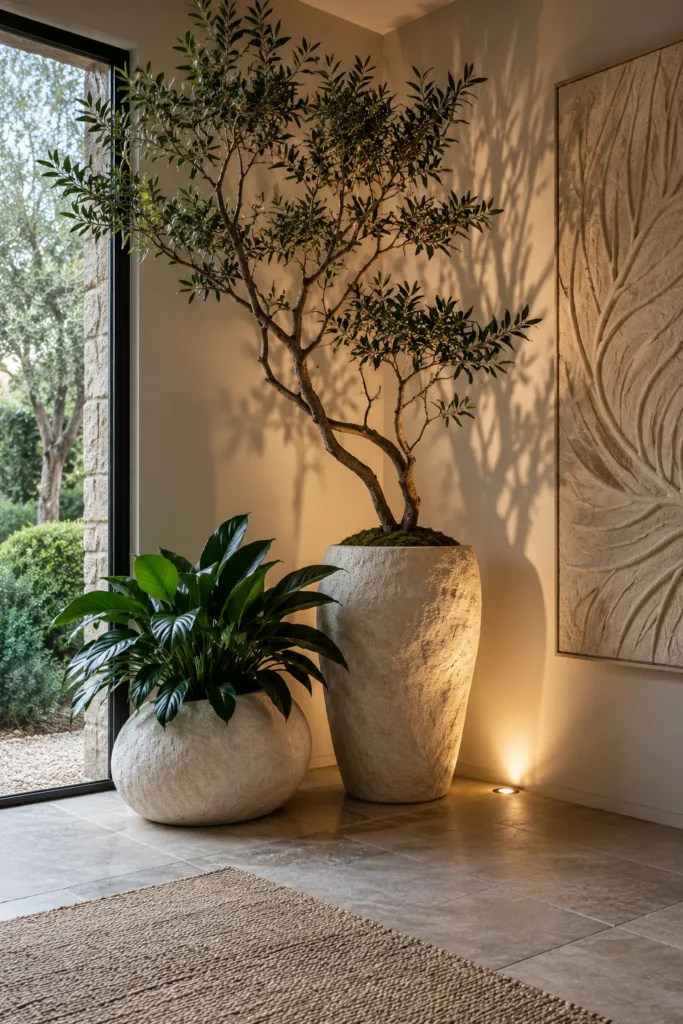
Using plants at different heights creates a fuller and more natural-looking corner. Instead of placing matching pots side by side, combine a tall indoor tree with a shorter, wider plant.
Choose planters in similar neutral tones to connect the arrangement. Their shapes can be different, but a shared color palette will help the display feel intentional. A tall textured pot adds vertical interest, while a rounded planter softens the overall look.
Place a small spotlight behind the taller plant to create gentle leaf shadows on the wall. This simple lighting detail gives the plant corner depth and makes it feel attractive during both the day and evening.
4. Create a Reading Corner
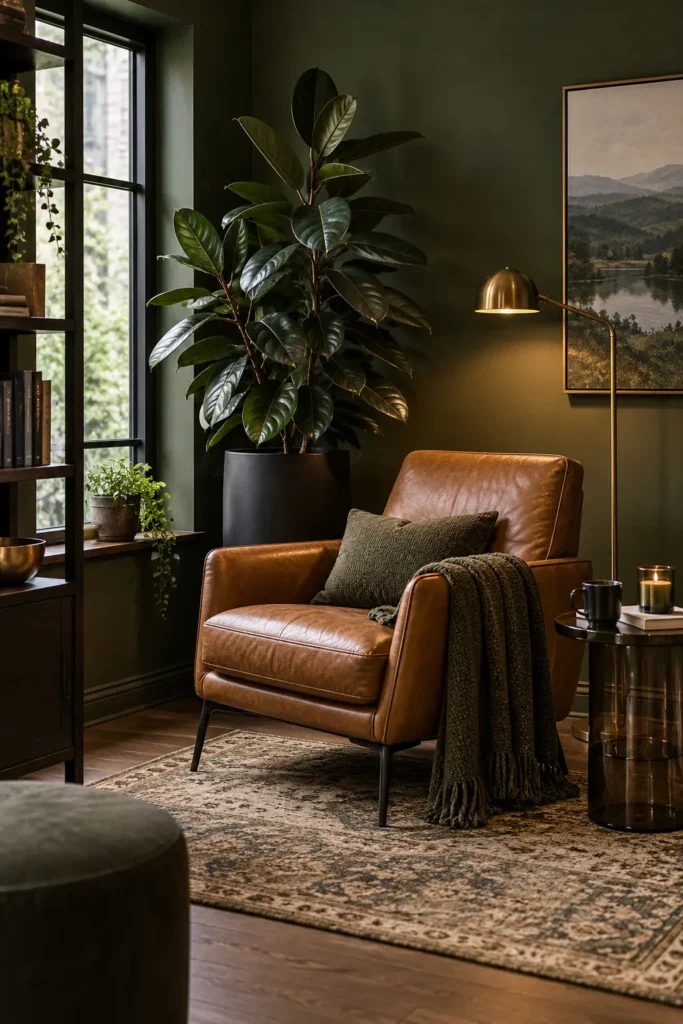
Plants can make a reading area feel more comfortable, private, and connected to nature. Start with a cozy armchair and place a tall leafy plant behind or beside it.
A rubber plant, fiddle-leaf fig, or similar upright houseplant can frame the chair without taking over the space. Add a small side table, reading lamp, soft throw, and textured rug to complete the setup.
Dark green walls or warm neutral shades can make the leaves appear richer and more dramatic. This indoor plant corner is perfect for reading, relaxing, or enjoying a quiet cup of coffee at the end of the day.
5. Add One Statement Plant
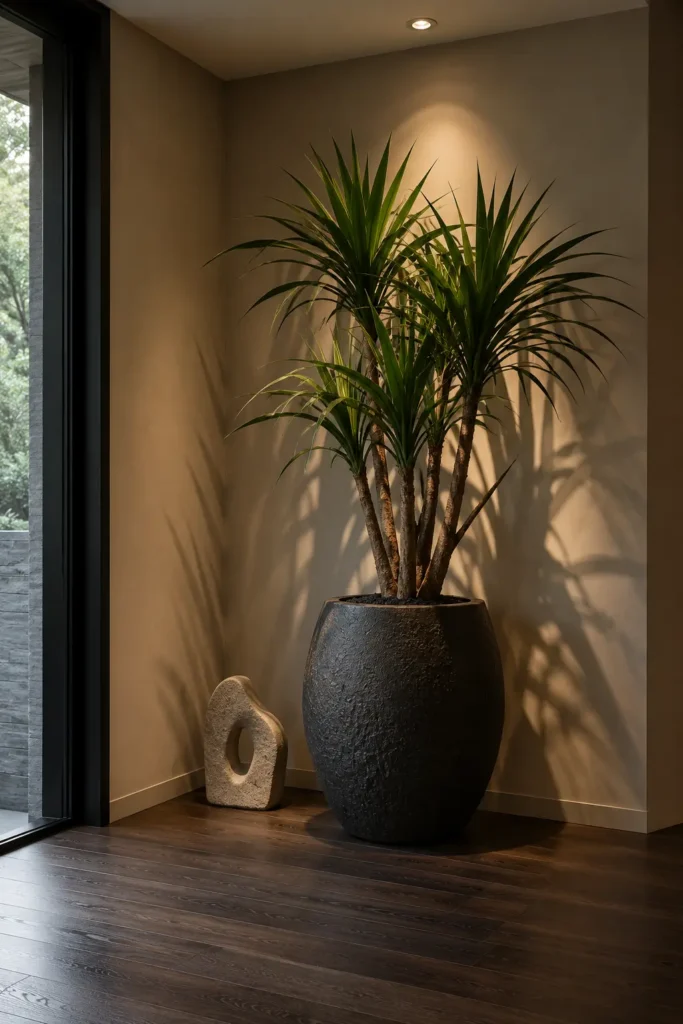
You do not always need a collection of plants to create an impressive display. One large statement plant in an oversized planter can be enough to bring an empty corner to life.
Choose a plant with long, architectural leaves and place it in a pot that suits the scale of the room. Charcoal, stone, or matte-black planters offer a sophisticated look and work beautifully with modern interiors.
Keep the surrounding décor simple so the plant remains the focal point. A small floor ornament or soft spotlight can be added for balance. This low-clutter approach is ideal for anyone who prefers bold yet minimal plant décor.
6. Mix Hanging and Floor Plants
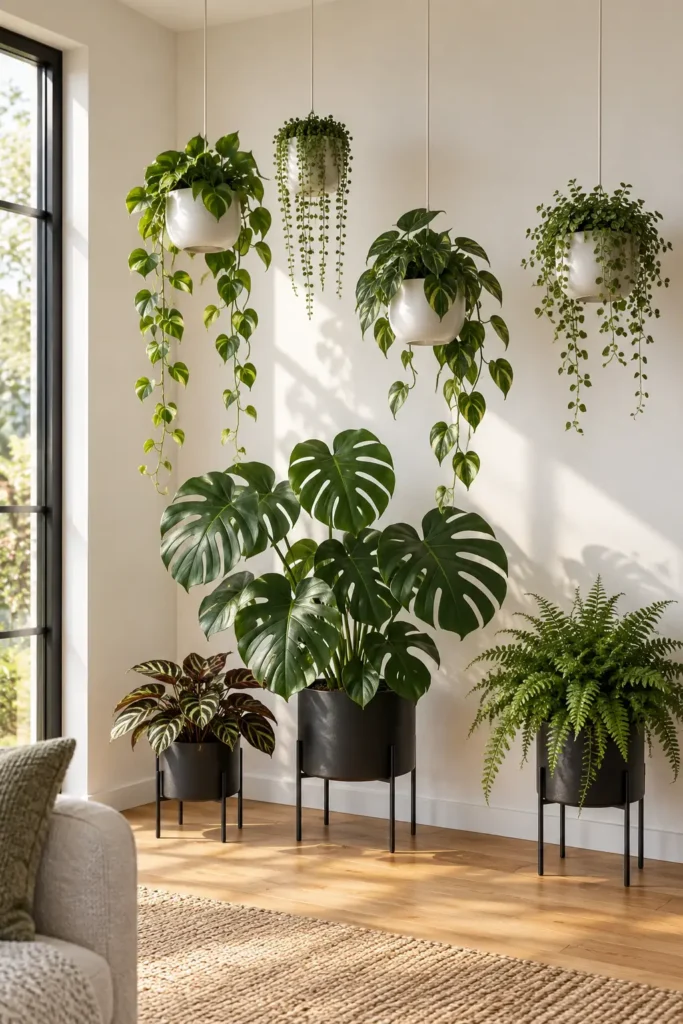
Combining hanging plants with floor planters allows you to decorate the full height of a wall. It creates a lush display while keeping the floor from becoming overly crowded.
Hang trailing plants at slightly different levels to produce a relaxed, layered effect. Below them, arrange medium and large plants on slim stands. Mix leaf shapes and sizes, but use coordinated pots to keep the display visually balanced.
This plant corner idea works particularly well near a bright window. The sunlight highlights the trailing vines and creates beautiful shadows, making the entire corner feel lively, airy, and naturally inviting.
7. Frame a Tree With Light
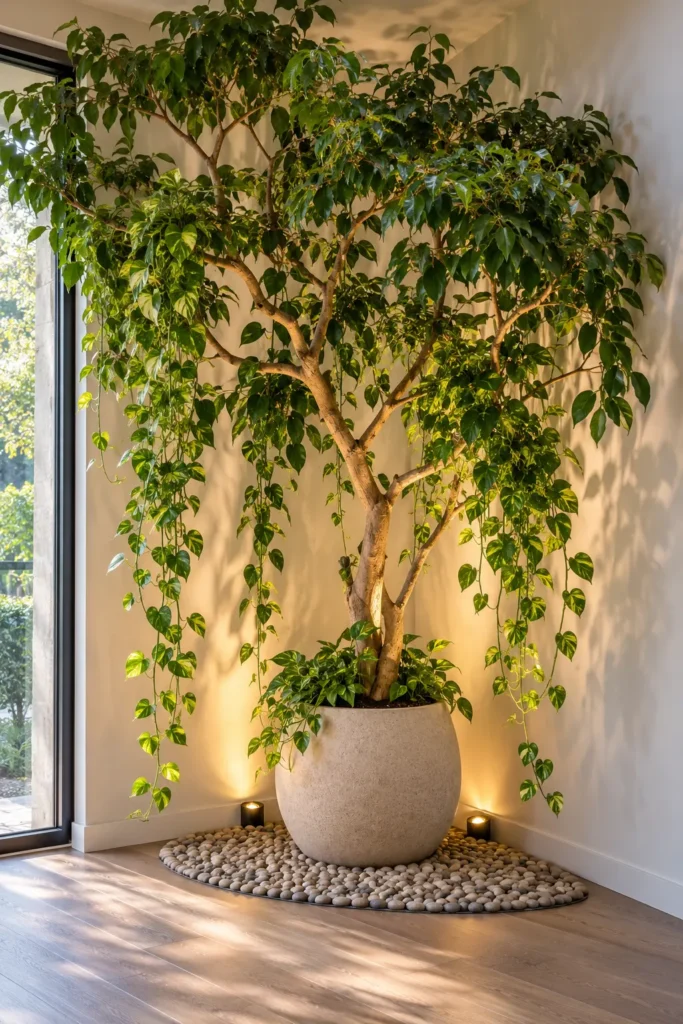
A tall indoor tree can become a dramatic design feature when paired with carefully placed lighting. Choose a graceful tree with spreading branches and position it in a rounded planter.
Add smooth pebbles around the base to create a neat, finished appearance. Small uplights placed behind the pot will illuminate the trunk and cast soft shadows across the wall.
Trailing vines can also be guided around the branches for a fuller botanical look. This arrangement is ideal for a bare corner beside a glass door or large window. It offers the beauty of an indoor garden without requiring several pieces of furniture or décor.
8. Build a Layered Green Corner
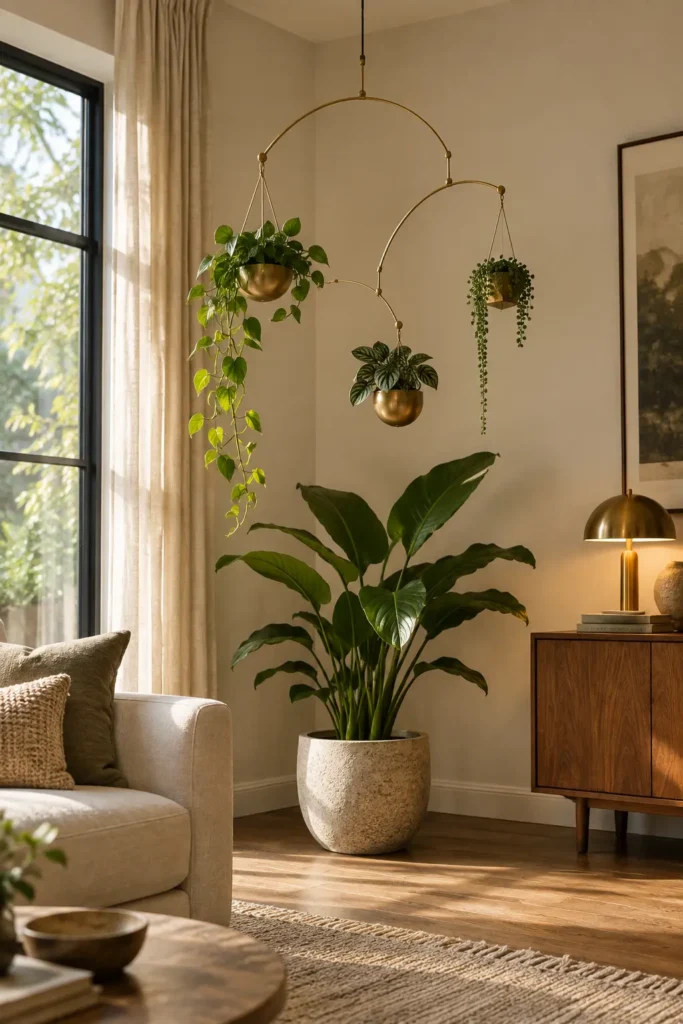
A layered arrangement is a simple way to make a plant corner look professionally styled. Begin with one large floor plant as the main feature, then introduce smaller hanging plants above it.
Use curved hanging supports or ceiling hooks to position the planters at different heights. This creates movement and helps guide the eye upward. Select a mixture of upright and trailing plants so every level has a distinct shape.
Keep the planters neutral if the room already contains several colors or patterns. The resulting display feels full and lively while remaining polished enough for a modern living room.
9. Try a Vertical Plant Panel
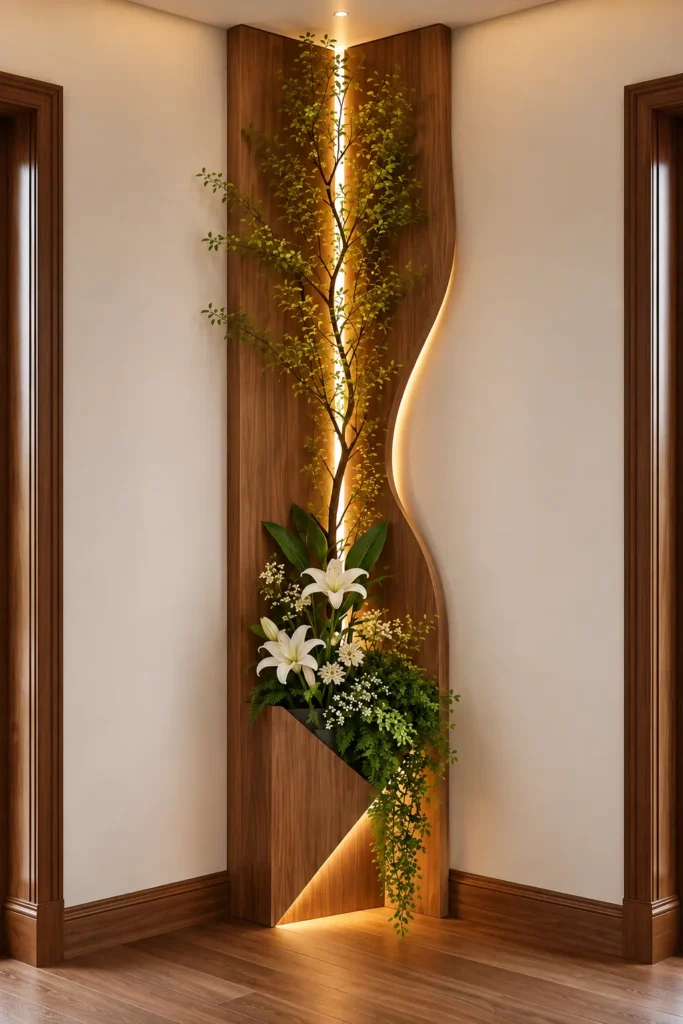
A vertical plant panel turns an unused corner into a piece of living art. It is a creative option for narrow spaces where traditional furniture or wide plant stands may not fit.
Use a slim wood or textured wall panel as the background. Add preserved moss, trailing greenery, or compact living plants along its surface. Integrated warm lighting can emphasize the textures and give the design a soft glow.
For a more decorative finish, add a small flower arrangement near the base. This idea works especially well in entryways, hallways, hotel-inspired interiors, and contemporary homes where every corner needs to feel purposeful.
10. Use Tiered Pedestals
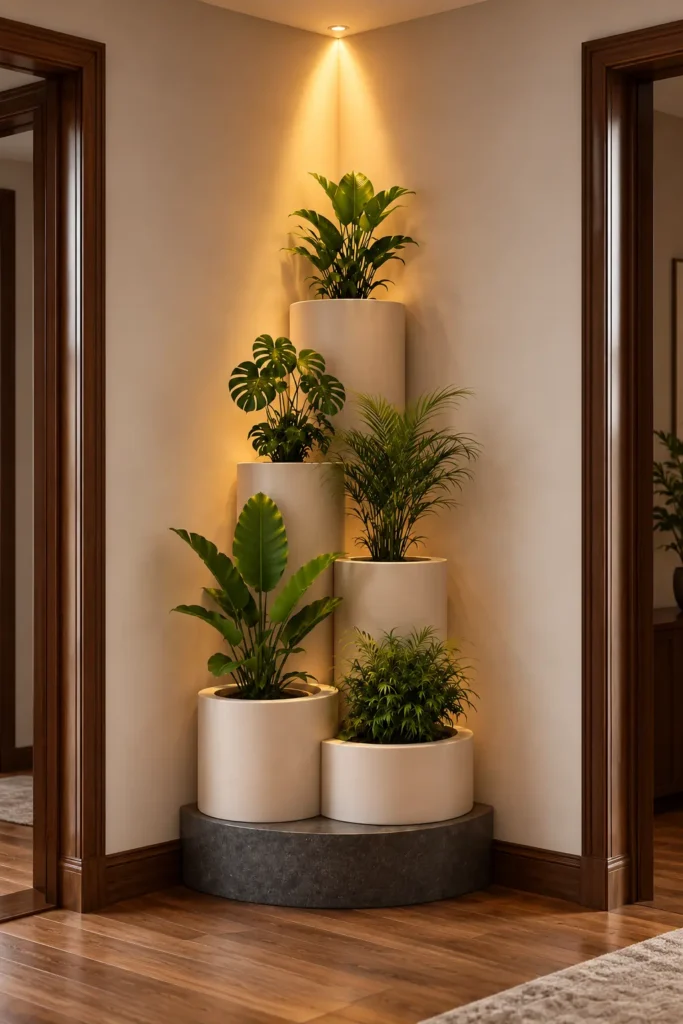
Tiered pedestals allow you to display several small and medium plants without making the corner appear messy. The different heights ensure that every plant remains visible.
Choose simple cylindrical stands in white, beige, or another color that blends with the walls. Arrange a taller plant at the back, medium plants in the center, and compact pots toward the front. A dark circular base can visually anchor the whole group.
This is a flexible option because individual plants can be moved or replaced easily. It is especially useful for brightening a hallway corner, the space between two doors, or a small entrance area.
11. Make a Plant Feature Wall
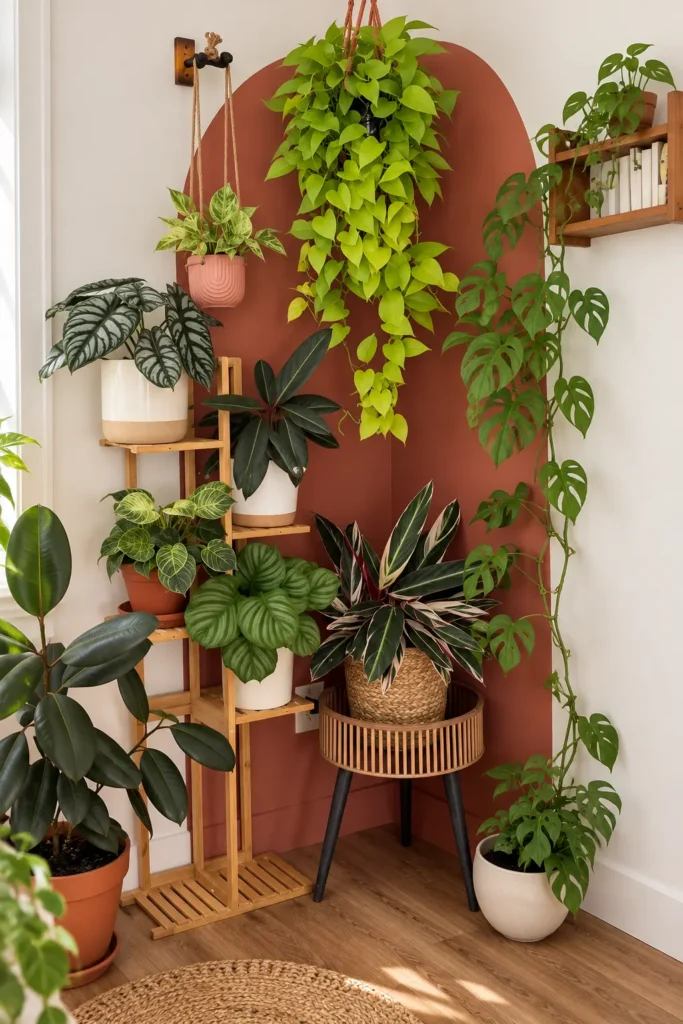
A compact feature wall can hold an impressive collection of plants while using very little floor space. Start with a colored or wooden backdrop to visually separate the plant display from the rest of the room.
Add small wall shelves, hanging planters, baskets, and a narrow plant stand. Vary the size and direction of the leaves to create an abundant, collected look. Trailing plants are particularly effective because they soften the edges of shelves and cover empty areas.
Although this arrangement contains many plants, repeating similar pot materials or colors will keep it coordinated. It is a great choice for plant lovers who want their collection to become part of the interior design.
12. Build an Elegant Plant Display
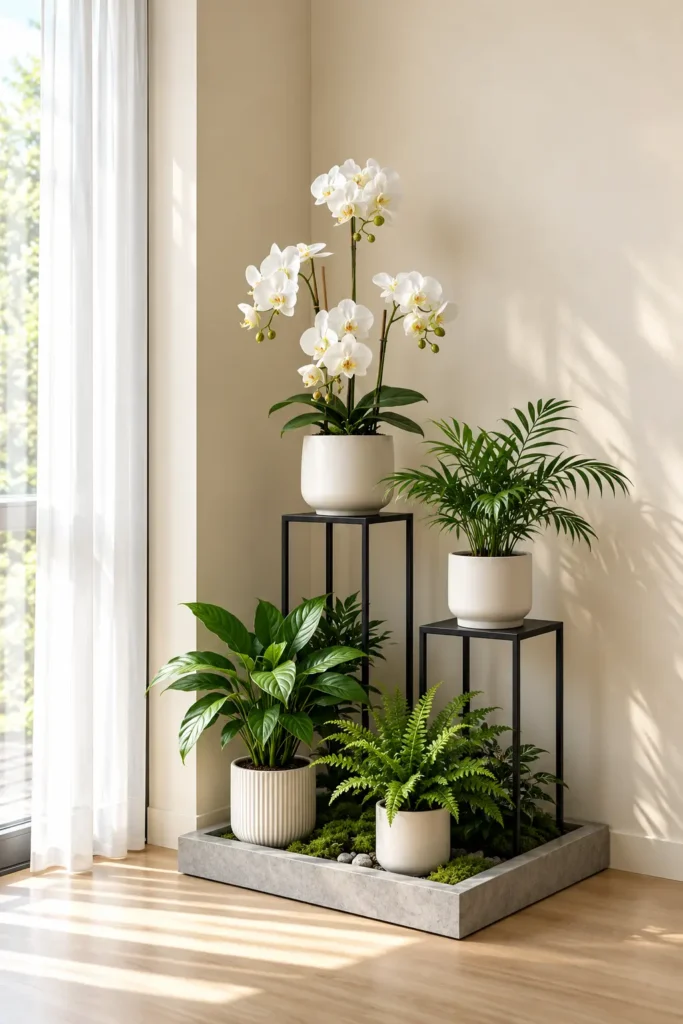
For a clean and sophisticated corner, arrange several plants on narrow black stands at different heights. The structured frames create contrast against the soft, organic foliage.
Place the entire arrangement inside a shallow rectangular tray. This visually groups the pots and can also help protect the floor during watering. Use a flowering orchid at the highest level to add elegance, then surround it with leafy green plants for depth.
This polished plant corner idea suits modern living rooms, bedrooms, home offices, and formal spaces. It delivers plenty of greenery while maintaining a neat and carefully organized appearance.
13. Choose a Sculptural Planter
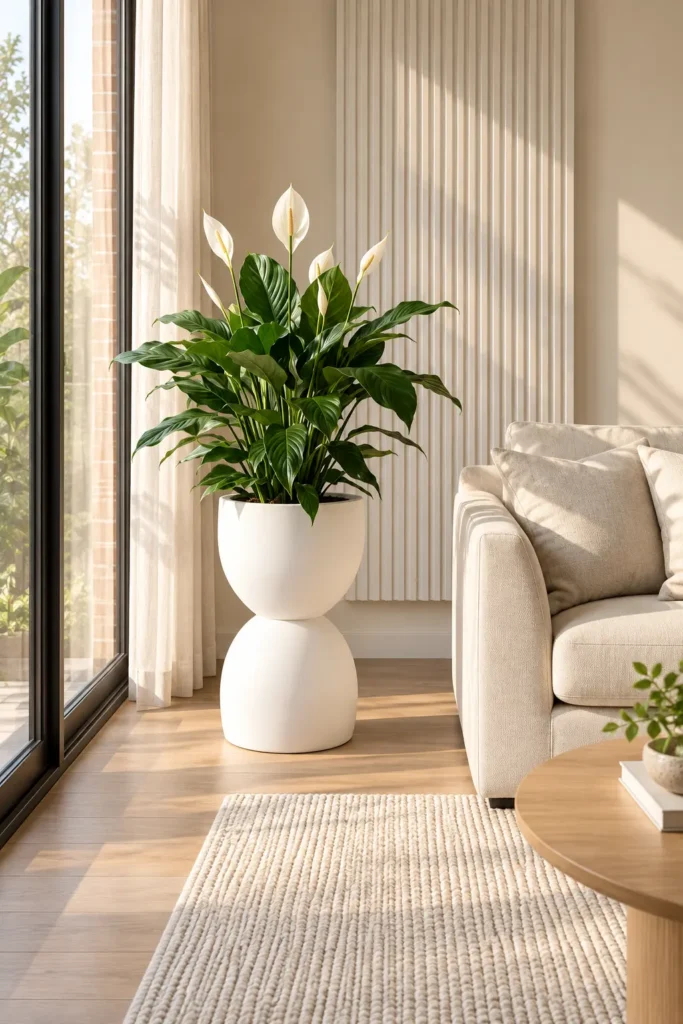
An unusual planter can make a simple plant feel like a designer feature. Look for a sculptural pot with a curved, hourglass, pedestal, or geometric shape.
Fill it with a full leafy plant and place it beside a bright window or sofa. Because the container already provides strong visual interest, the rest of the corner can remain minimal. A neutral white or cream finish is especially effective in light, contemporary rooms.
Make sure the planter is proportionate to both the plant and the available space. The combination should feel tall enough to fill the corner without blocking natural light or interrupting movement through the room.
14. Install Floating Plant Shelves
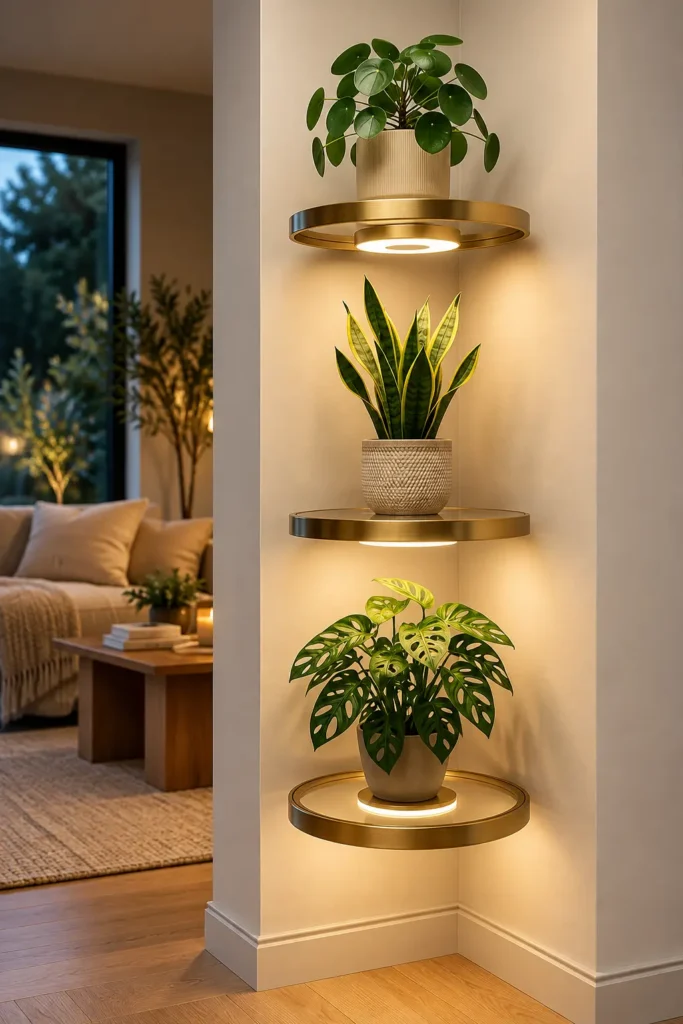
Floating corner shelves are a stylish solution when floor space is limited. They use vertical space efficiently and turn a narrow wall into a warm botanical display.
Install two or three rounded shelves with enough room between them for the plants to grow. Place an upright plant on the middle shelf, a trailing variety at the top, and a compact leafy plant below. Integrated lighting under each shelf can give the arrangement a soft, high-end glow.
Select shelves that coordinate with nearby furniture, such as natural wood, matte black, or brushed gold. This idea is perfect for apartments, hallways, and small living rooms where every inch matters.
Tips for a Beautiful Plant Corner
Before choosing your plants, observe how much sunlight the corner receives during the day. Bright spaces can support many tropical plants, while darker corners may require low-light varieties or a dedicated grow light. When exploring garden seating ideas, consider placing a small chair or bench near your plant corner to create a relaxing and refreshing space.
Use pots with proper drainage and protect wooden flooring with trays or waterproof saucers. Leave enough space between plants for air circulation and future growth. It is also helpful to group plants with similar watering and humidity needs.
For a professionally styled look, combine different leaf shapes while keeping the planters within one coordinated colour palette. Add soft lighting, natural textures, or one small decorative object, but avoid filling every empty space.