An empty corner can leave a room feeling unfinished, especially when the surrounding furniture already looks right. The extra space beside your sofa, the narrow spot near a window, or the meeting point of two plain walls can become a useful, inviting part of your home.
These corner wall decor ideas combine artwork, lighting, plants, and compact furniture to give awkward spaces a clear purpose. You can create somewhere to enjoy your morning coffee, display personal memories, or settle down with a favorite record.
Before choosing a look, check the available floor space, natural light, and nearby walkways. Then pick one main feature and build around it. A few well-chosen pieces will help your corner feel connected to the room.
1. Style a Tall Indoor Plant
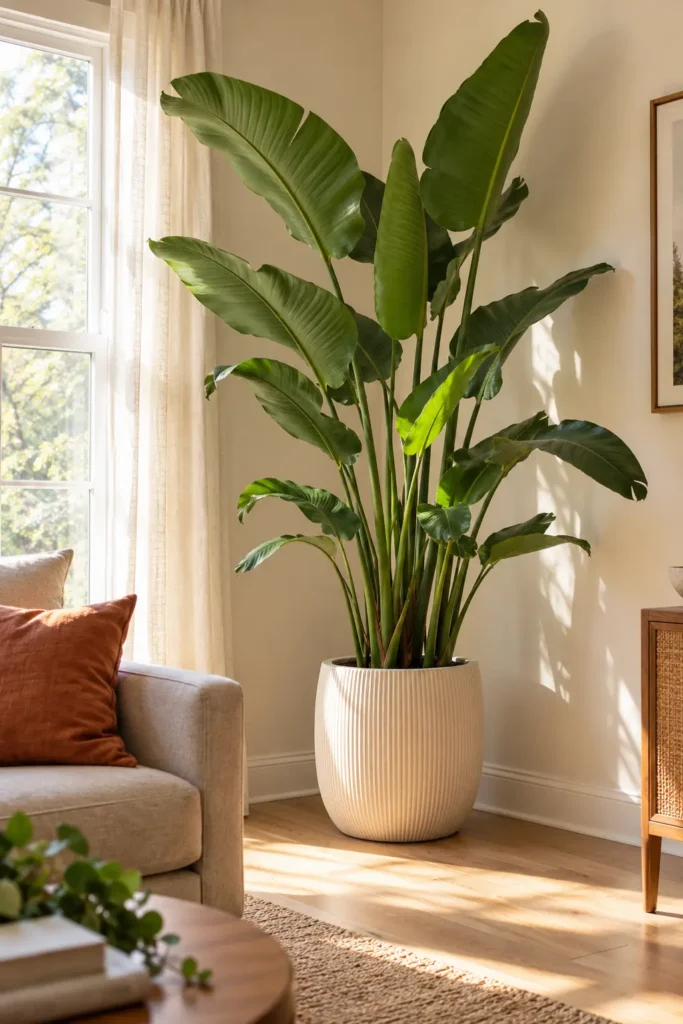
Bring height and movement into an empty corner with a tall leafy plant in a textured ceramic pot. Its natural shape softens the meeting point of two walls and adds interest beside a sofa, console, or window.
Choose a plant that suits the available light, then select a pot that echoes another material in the room. A warm clay finish works beautifully with wood, while a pale ribbed planter adds texture against a darker wall.
Allow the leaves room to spread without brushing against furniture. A single generous plant gives this corner a clear focal point and keeps watering and cleaning easy.
2. Add Sculptural Lighting
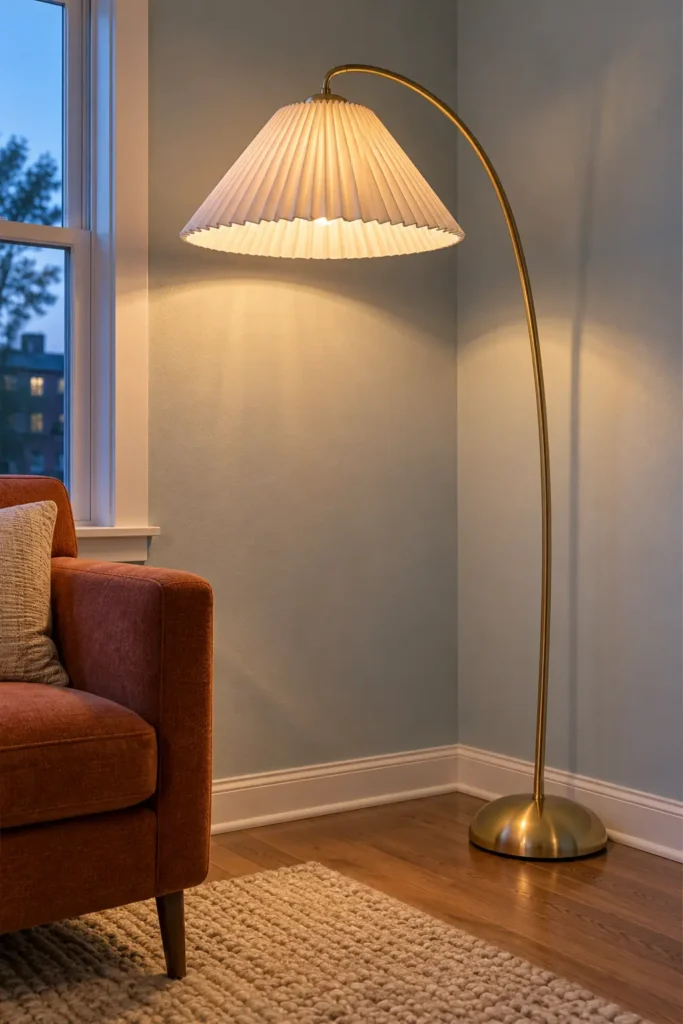
A floor lamp with a curved stem, pleated shade, or oversized paper globe can give a plain corner character. Position it so its shape is visible against the wall and its light reaches a nearby chair or sofa.
Think about how the lamp will look during the day as well as after dark. A slim brass stem adds a graceful line, while a rounded fabric shade brings softness to a room with angular furniture.
Choose a base that fits comfortably within the available space. Tuck the cord along the wall, and keep surrounding accessories restrained so the lamp’s silhouette stands out.
3. Wrap Your Corner in Memories
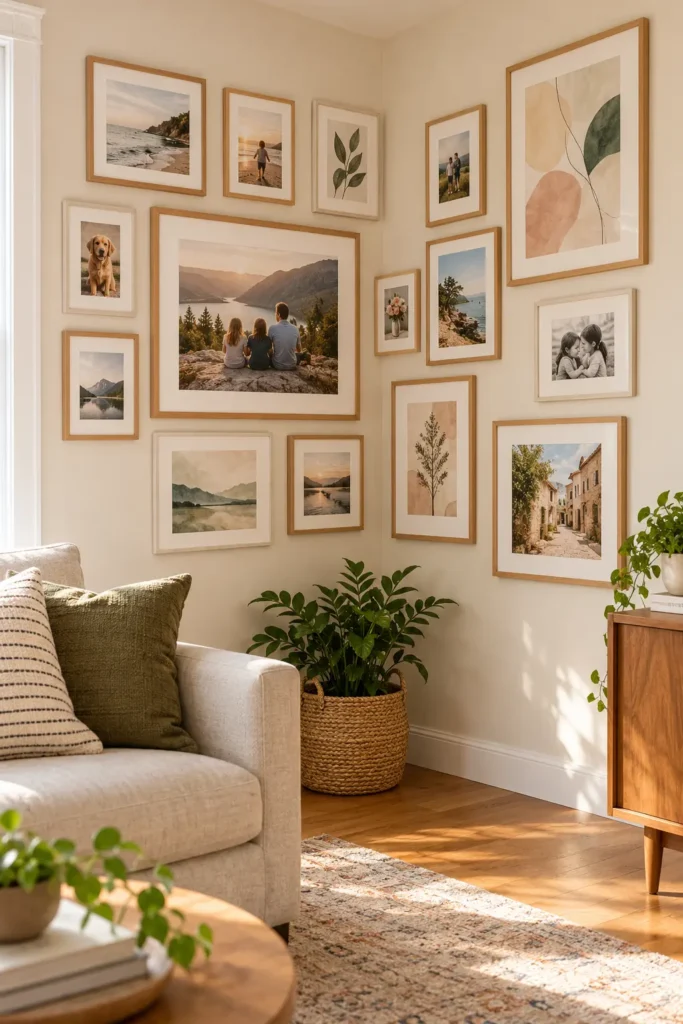
Turn two adjoining walls into a personal gallery with family photographs, favorite prints, and small pieces of meaningful artwork. Let the arrangement continue around the corner so both walls feel part of one display.
Start with one larger frame, then balance it with smaller pieces. Repeating a frame finish or using matching mats helps photographs and artwork sit comfortably together.
Lay out the arrangement on the floor first, keeping the gaps fairly consistent. In a small room, a compact grouping at eye level creates plenty of interest. Leave some clear wall around the frames so each image remains easy to enjoy.
4. Make Your Own Coffee Spot
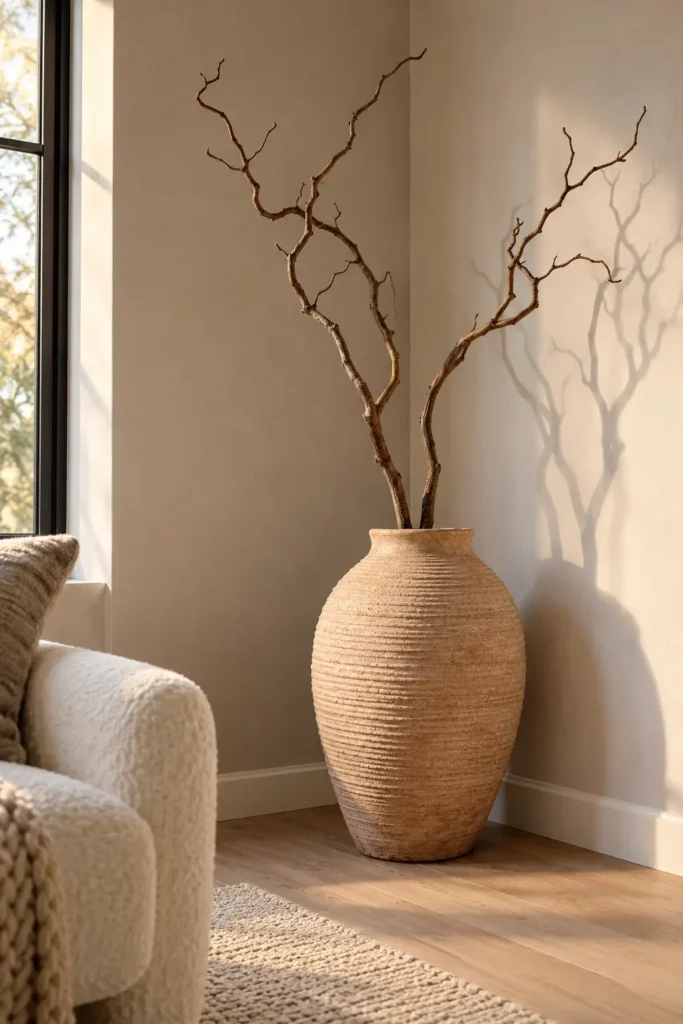
Give an unused kitchen or dining-room corner a daily purpose with a compact coffee cabinet. Arrange your coffee machine, a few favorite mugs, and everyday supplies on a tray to keep the surface organized.
Use the wall above for a shallow shelf or a short mug rail. A small framed print or ceramic object can add personality without taking over the preparation space.
Choose a cabinet with closed storage for spare cups, coffee, and filters. Keep the setup within reach of a suitable outlet and leave enough room to prepare drinks comfortably. Your morning routine becomes part of a corner that feels thoughtfully designed.
5. Go Bold With a Floor Vase
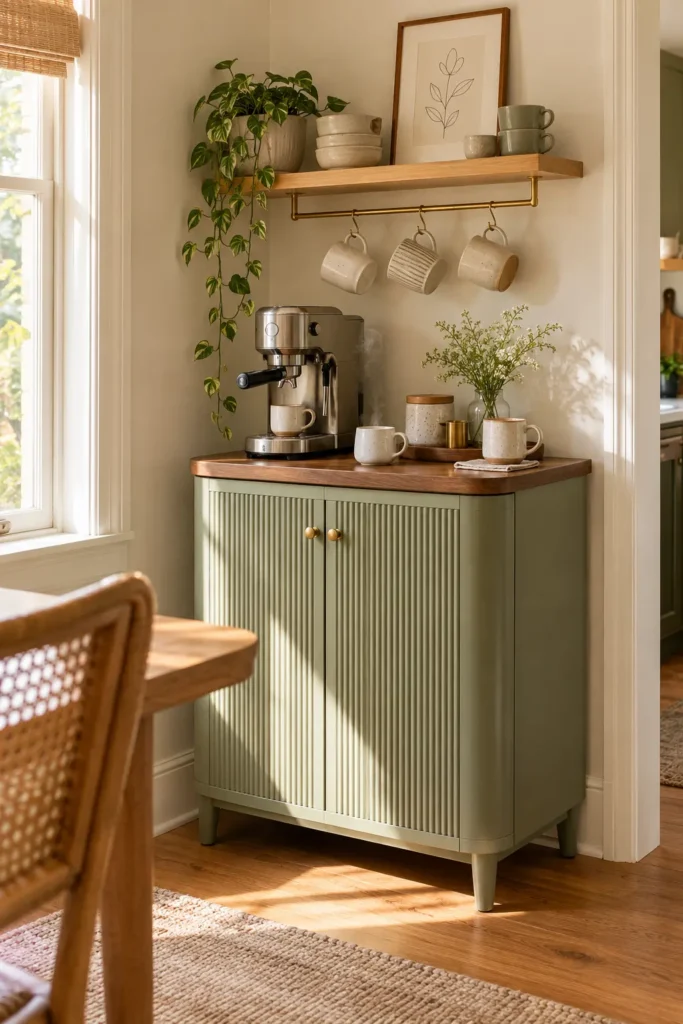
An oversized floor vase can make a narrow corner feel finished with very few pieces. Look for an interesting shape, such as a rounded clay vessel, a ribbed ceramic form, or a tall vase with an uneven handmade finish.
Add a few graceful branches to extend the arrangement upward. Their lines create movement against the wall, especially when the surrounding furniture sits low.
Match the scale to your room: the vase should have enough presence to be noticed while fitting comfortably beside nearby furniture. Place it where it will stay stable, with branches clear of doorways and walking routes.
6. Frame Your Corner With Wallpaper
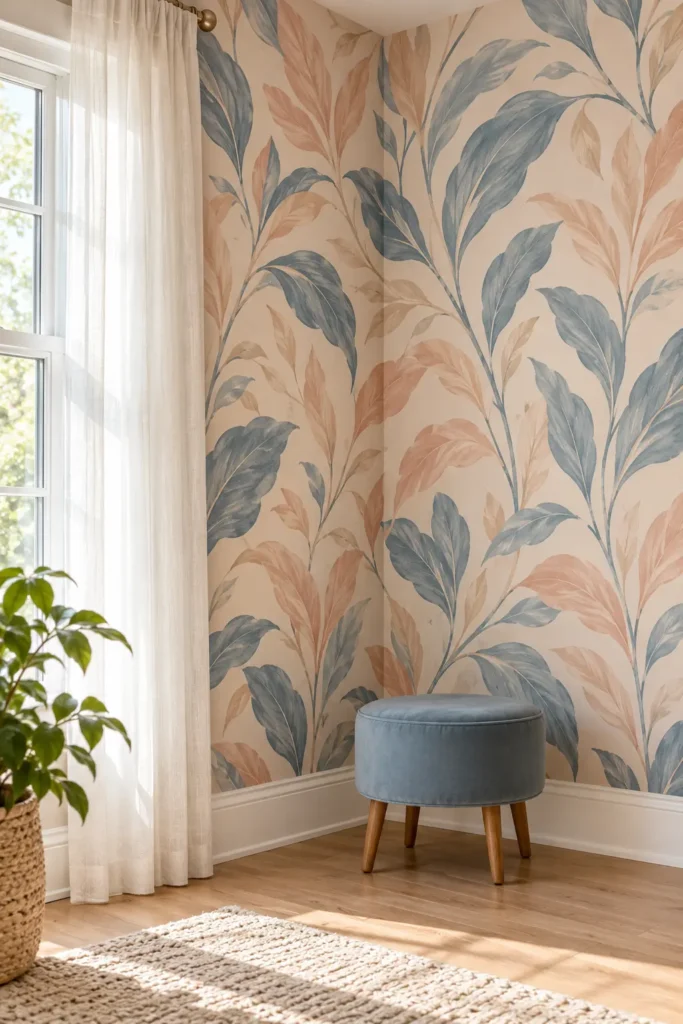
Use wallpaper to give an awkward corner its own identity. A soft botanical print, narrow stripe, or subtle textured pattern can wrap around both walls and define a small section of the room.
Choose colors that connect with your sofa, curtains, or rug. A petite stool or simple side table in front will make the decorated area feel intentional.
For a small home, consider how the wallpaper ends. Taking it to a natural boundary, such as a doorway or built-in cabinet, gives the treatment a tidy finish. Keep nearby accessories simple enough for the pattern to remain visible.
7. Build a Layered Plant Display
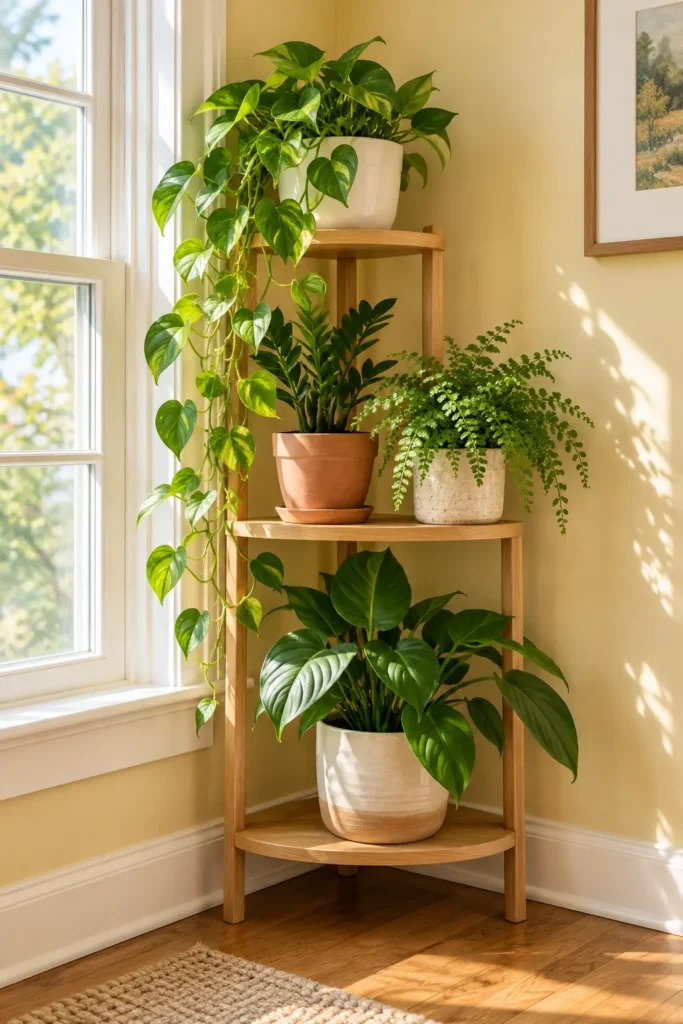
A tiered plant stand makes use of height in a bright empty corner. Arrange plants at different levels so the leaves create an interesting outline, with trailing stems on upper shelves and more upright shapes below.
Coordinate the pots through color or material. Cream ceramics, terracotta, or a mix of two finishes can connect different plants without making the display feel overly matched.
Leave room between pots for watering and healthy growth. Check the light each shelf receives, since upper plants can shade those below. A compact stand with a few well-placed plants can give the corner plenty of life.
8. Create Your Own Listening Corner
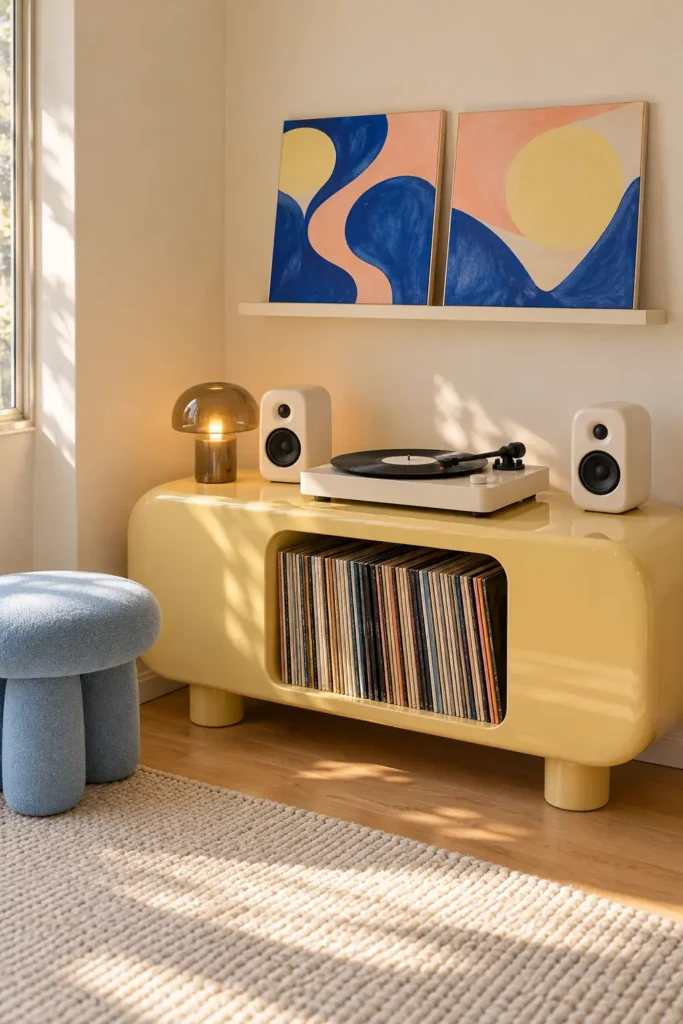
Build a music corner around a slim record cabinet and a turntable. Store frequently played records upright below, then display a favorite album cover on a narrow wall ledge above.
Warm wood, a softly colored wall, and a compact stool can give the setup a relaxed, personal feel. Leave clear space around the turntable so changing records stays easy.
Choose a stable cabinet and follow the equipment’s placement guidance, especially for speaker spacing. If your collection is small, display a rotating selection of albums. The changing covers bring fresh color to the corner while keeping your favorite music close.
9. Warm Your Corner With Baskets
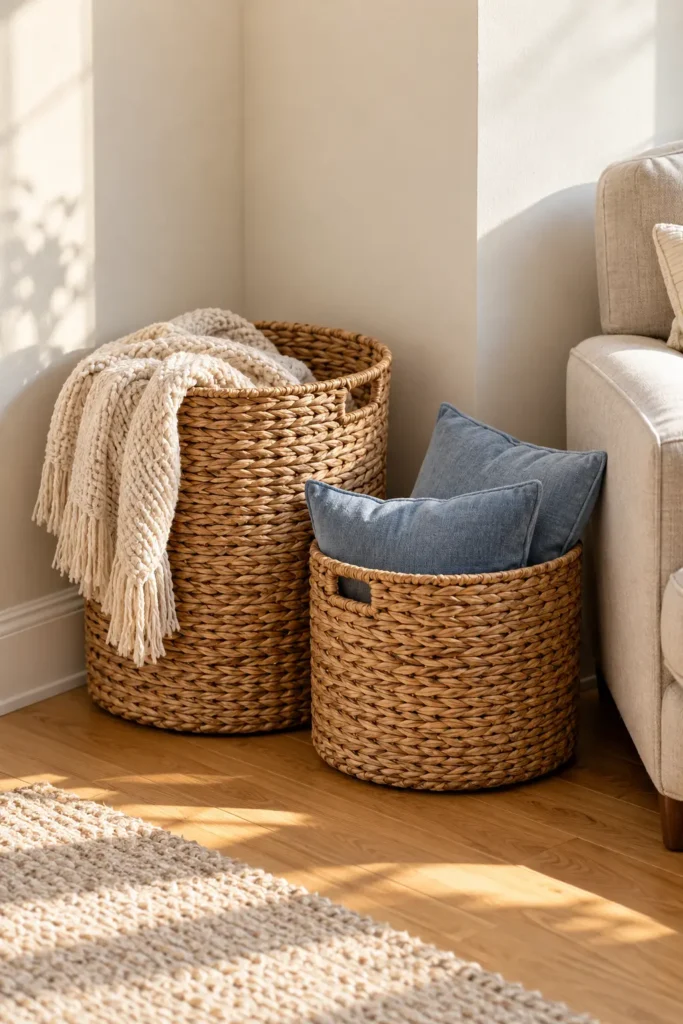
Bring texture and useful storage into an empty living-room corner with two woven baskets of different heights. Use the larger one for blankets and the smaller one for cushions or everyday items.
Choose baskets with a shared tone or weave so they look connected. A softly folded throw over one edge makes the arrangement feel inviting and shows how the storage is used.
Keep the baskets easy to reach and avoid filling them beyond their shape. Against a plain wall, their woven surfaces provide detail on their own. This is an easy corner decorating idea for homes that need extra storage.
10. Give Your Favorite Art a Glow
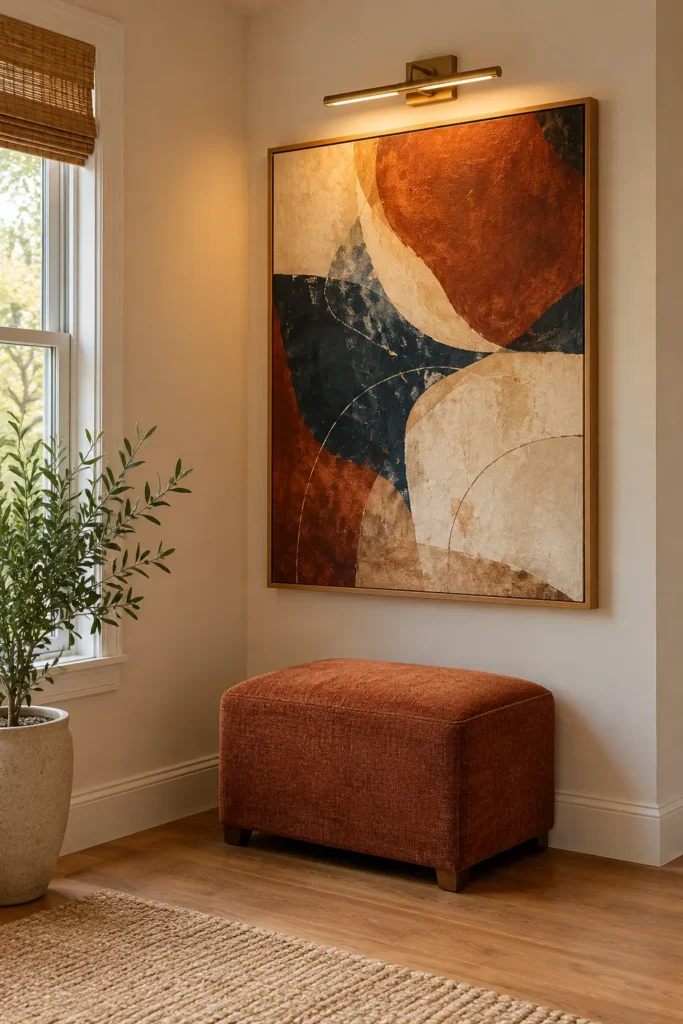
Make one large artwork the focal point of a quiet corner. Hang it on the wall with the clearest view from the room, then add a picture light above to draw attention to its colors and texture.
Place a simple ottoman underneath for occasional seating. Choose upholstery that picks up a shade from the artwork, helping the wall and furniture feel connected.
Pay attention to scale: the artwork should sit comfortably above the ottoman without looking squeezed between adjoining walls. In a rental, a suitable battery-powered picture light can offer a tidy option without adding a new wired fitting.
11. Build a Cozy Breakfast Booth
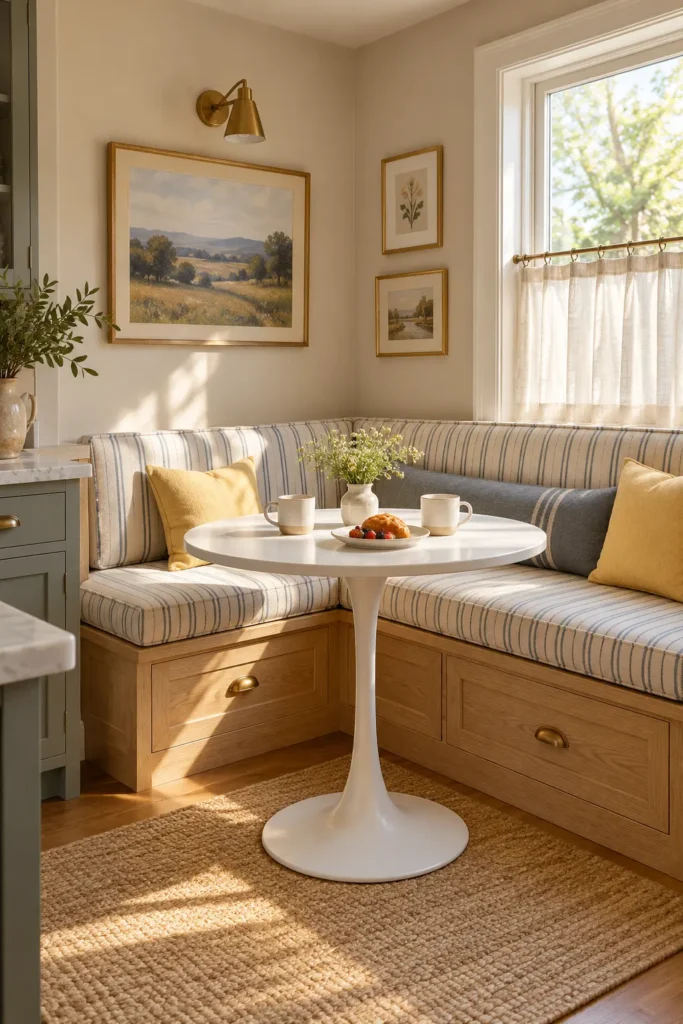
Turn a dining-area corner into a comfortable breakfast spot with an L-shaped upholstered bench and a small round pedestal table. The bench follows the walls, while the rounded tabletop softens the arrangement.
Striped cushions, a long bolster, or a washable seat pad add personality. Repeat a color from the kitchen so the booth feels naturally connected to its surroundings.
Measure the space with the seating in use, allowing room for knees and for people to get in and out. Storage beneath the bench can hold table linens or occasional serving pieces, making the corner work harder in a small home.
12. Make Room for a Floating Chair
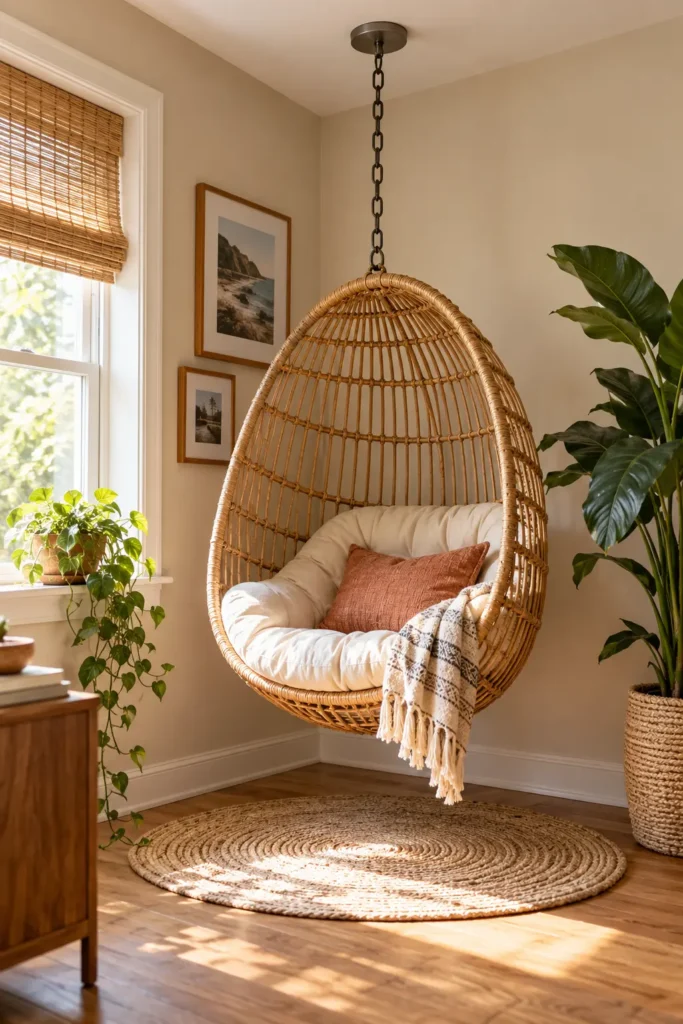
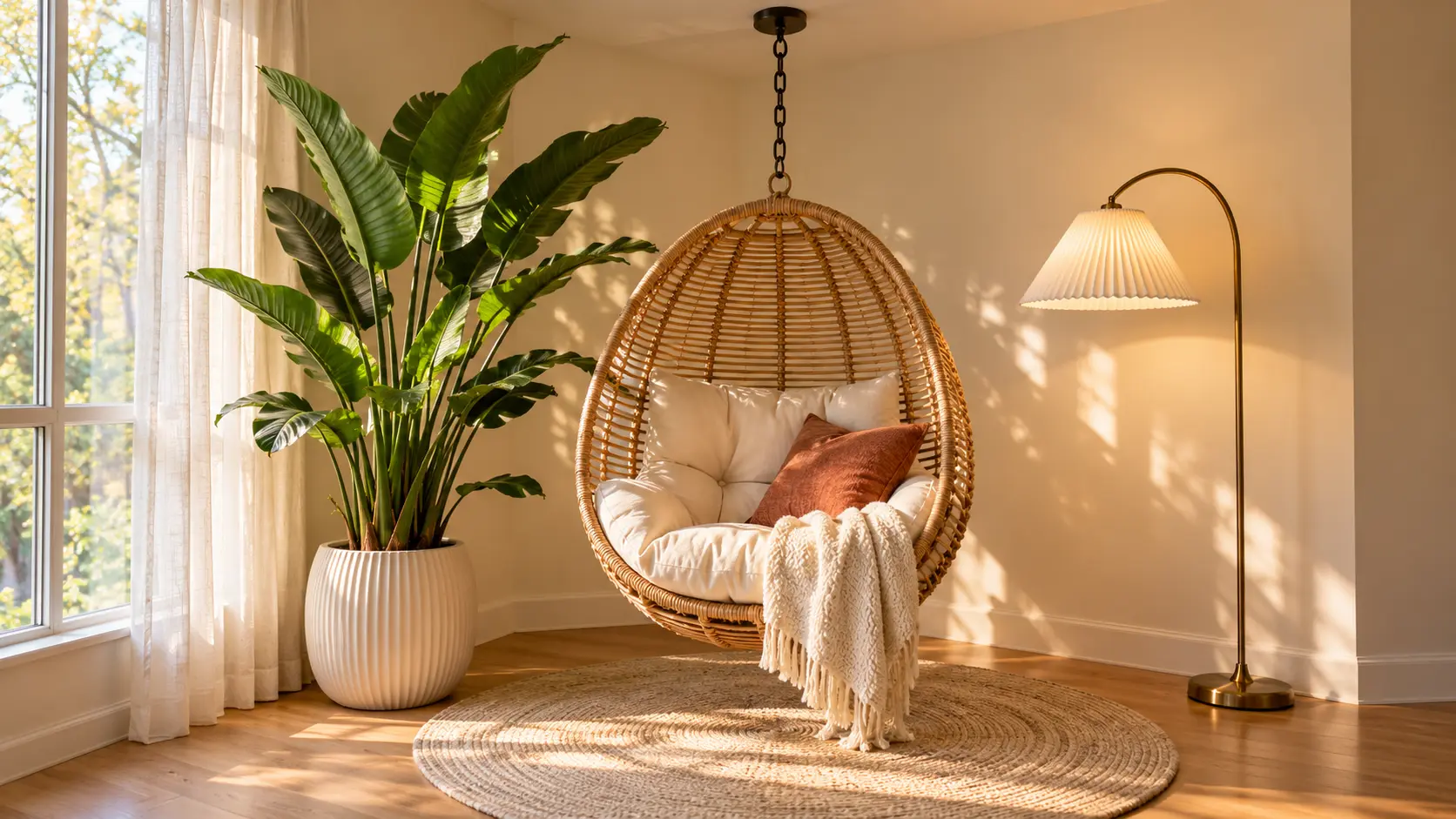
A hanging chair brings a playful shape to an unused corner and creates a place to pause. Choose a compact curved seat with a comfortable cushion, then ground the arrangement with a small round rug.
A woven chair adds natural texture, while a simple upholstered design can feel soft and contemporary. Leave visible wall around the seat so its suspended shape remains the main feature.
Plan for the chair’s movement as well as its resting position. Use a load-rated support system installed for the structure, or choose a freestanding version if it fits. Keep nearby furniture outside the swing area.
13. Set Up a Chess Corner
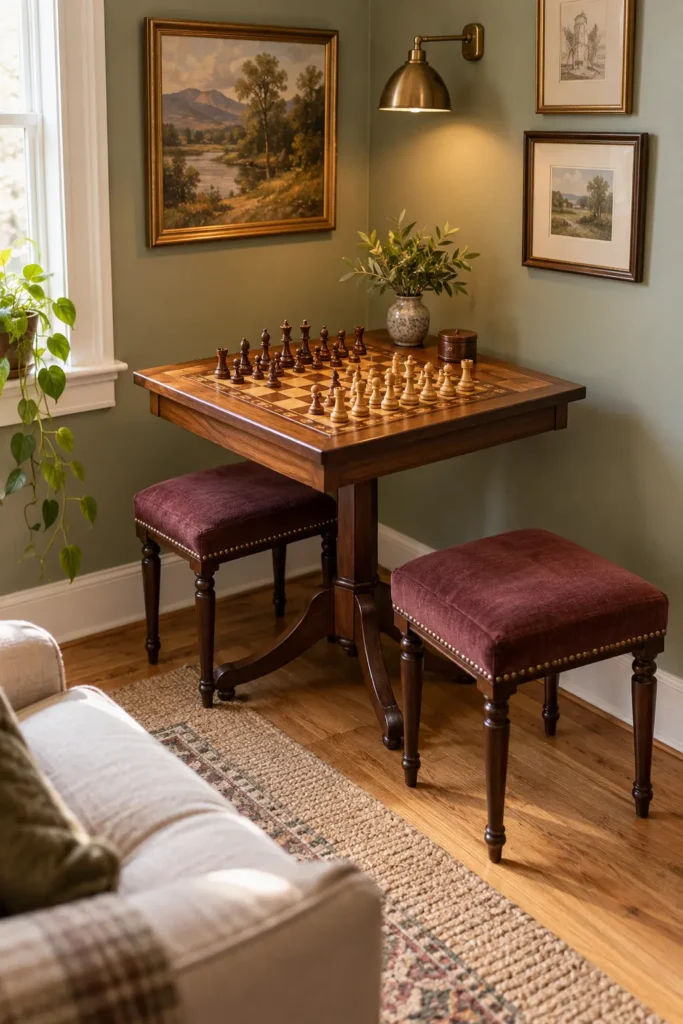
Give a small living-room or study corner a social purpose with a compact chess table and two stools. A wooden board and beautifully shaped pieces create a decorative display that is ready to use.
Choose stools that tuck beneath the table when the game is finished. A board with concealed storage is useful if you also want space for cards or other small games.
Position the table where both seats are accessible, with enough light to see the board comfortably. Echo the wood finish elsewhere in the room to connect the setup. This corner becomes an invitation to sit down together.
14. Give Your Pet a Hideaway
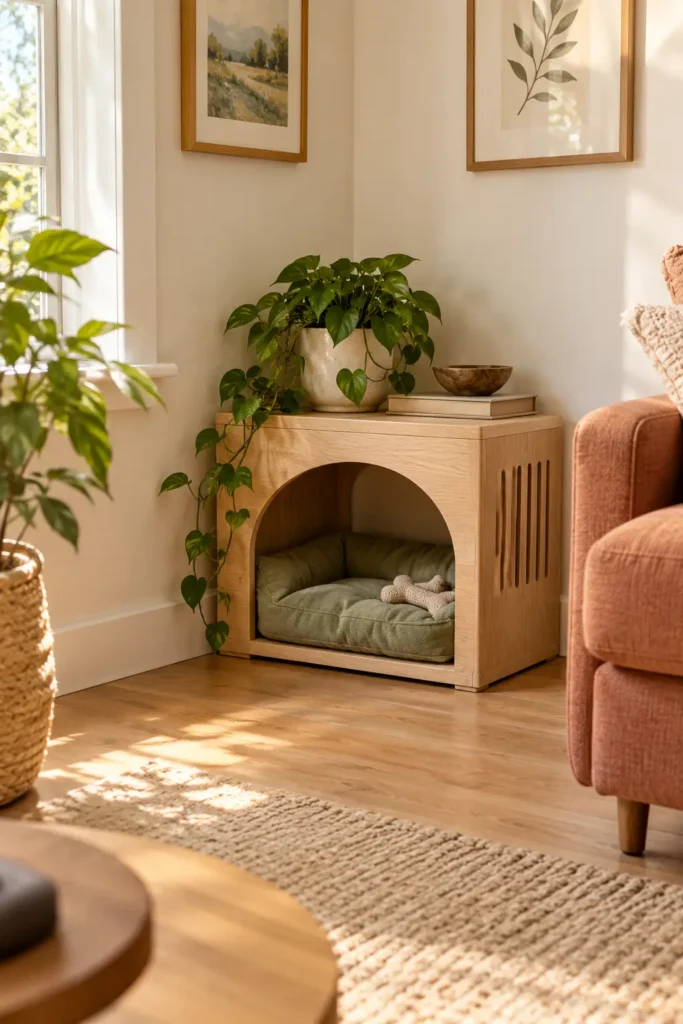
Create a comfortable pet nook with a low wooden frame, a rounded opening, and a soft bed inside. Choose a shape that fits neatly into the corner while giving your pet enough room to stretch and turn.
Coordinate the cushion with nearby upholstery for a cohesive look. A removable, washable cover makes the nook easier to maintain, and smooth edges keep the finish comfortable.
Place it in a quiet spot your pet already enjoys, away from busy doorways. Keep the opening easy to enter and the interior well ventilated. A little space beside the bed can hold a favorite toy.
15. Create a Hobby Corner That Works
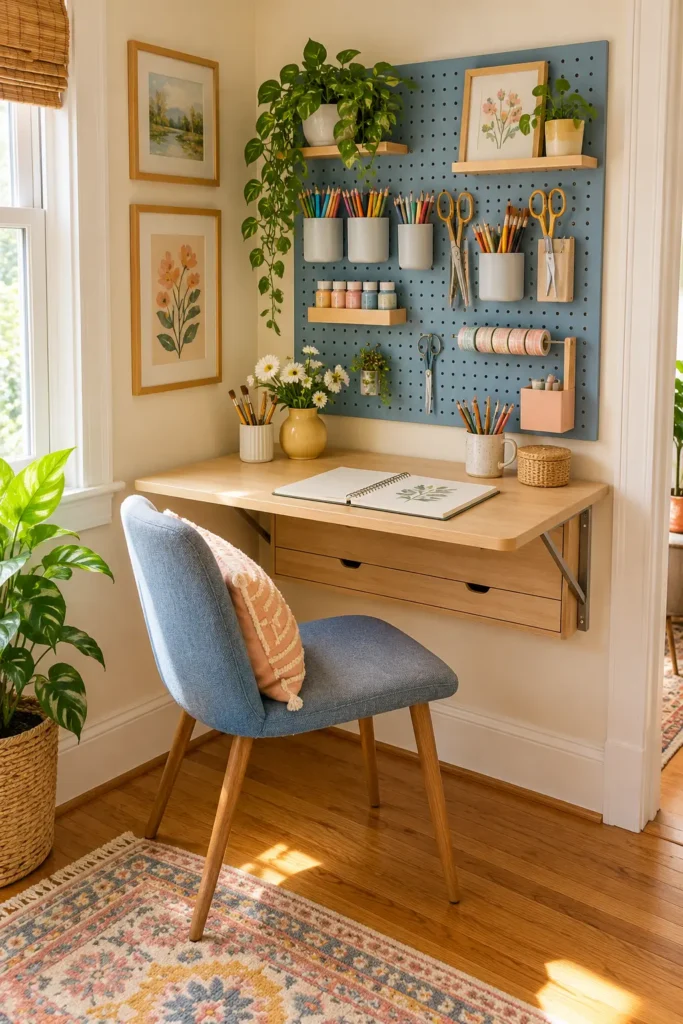
Give your favorite pastime a home with a compact fold-down desk and a neatly arranged pegboard above. This setup works well for sketching, sewing preparation, journaling, or small craft projects.
Use hooks and small containers to organize the supplies you reach for most. Arrange them by purpose, then let their colors add personality to the wall. Keep less attractive extras in closed storage nearby.
Check that the desk opens fully without blocking a walkway and leaves space for your chair. A fold-down surface helps the room return to everyday use, while the pegboard keeps your hobby visible and easy to begin.
16. Bring In a Gentle Water Feature
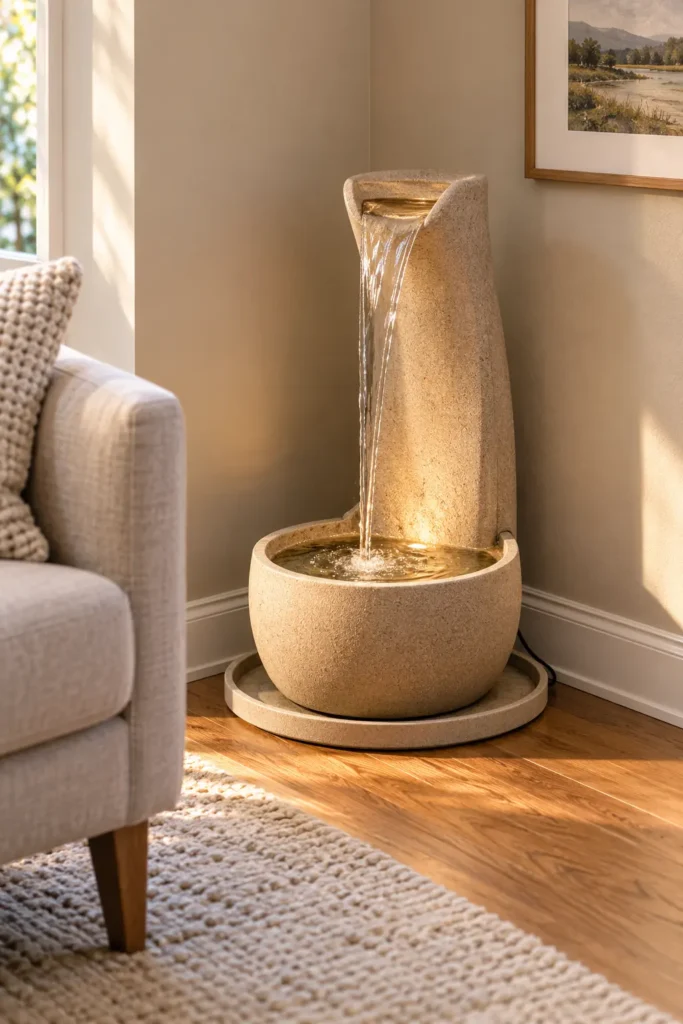
A compact indoor fountain can give an empty corner a calm focal point. Choose a simple stone-look or ceramic design with a contained stream, allowing its shape and the movement of water to carry the display.
Place it on a stable, waterproof base and leave a little clear space around it. A plain wall behind the fountain helps the flowing water remain visible.
Consider the sound and routine care before settling on its position. Keep the cord neatly routed and choose a location where refilling and cleaning are convenient. A modest fountain can suit a quiet sitting area without dominating the room.
Make the Corner Feel Like Home
Choose an idea that suits how you use the room. A coffee station can improve a daily routine, a gallery can celebrate personal memories, and a chess table can make room for time together.
Once the main feature is in place, repeat a color or material from the rest of your home. Leave enough space around it for the corner to feel comfortable and easy to use.